





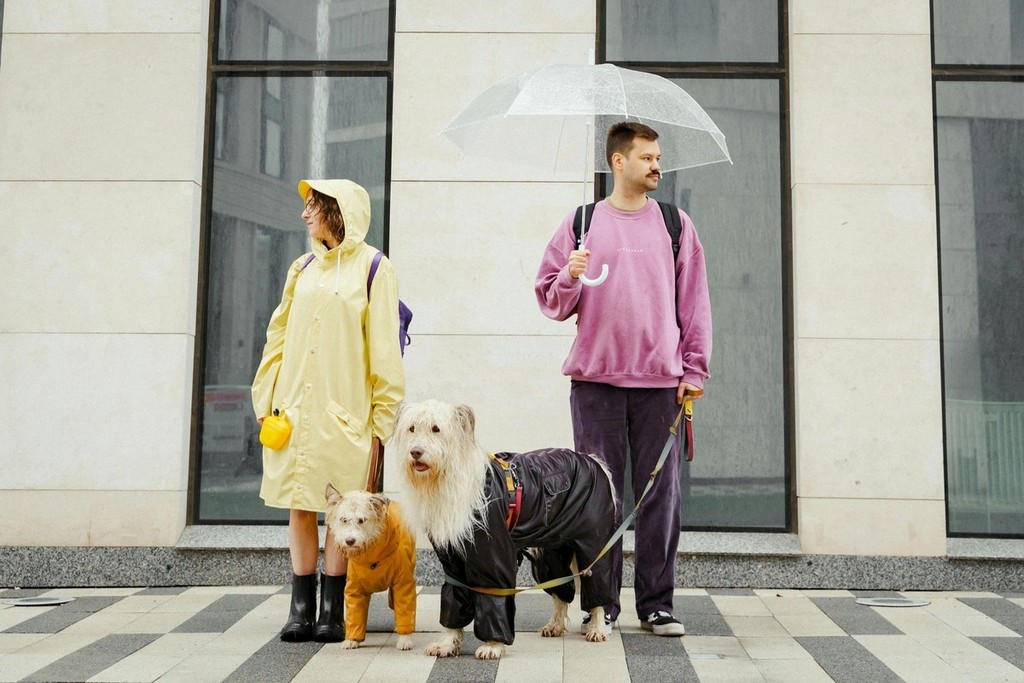
You're walking your dog. A stranger smiles, slows down, and asks: "What's his name?" Suddenly you're talking. That's it — that's the magic. Pets have this strange, almost unfair ability to dissolve the invisible wall between strangers faster than almost anything else.
It's not a coincidence. It's biology, psychology, and plain human warmth all rolled into one wagging tail or purring bundle.
The Science Behind the Bond
Researchers call it the "pet effect." A 2015 study published in the journal PLOS ONE found that pet owners were significantly more likely to get to know their neighbors than non-pet owners — 40% more likely, in fact. That number is hard to ignore.
Pets give people something immediate and neutral to talk about. There's no politics, no awkward small talk about the weather, no searching for common ground.
Conversations Start Themselves
Ask any dog owner. A walk is never just a walk. Someone always stops, points, laughs, crouches down. Cats in windows attract comments. And digital meetings are no exception. If your video chat platform contact also has a pet, finding common ground will be much easier. Even a photo of a pet on your phone desk can spark a ten-minute conversation.
This is what sociologists call a "social lubricant." Pets lower defenses. Fast.
Shared Responsibility Builds Trust
Community cats. Neighborhood dogs everyone knows by name. A fish tank in a shared office. These things create tiny rituals — feeding schedules, check-ins, little moments of shared care — and rituals build trust between people.
Trust is the foundation of real connection. Pets quietly lay that foundation without anyone even noticing.
Loneliness Is a Growing Problem
In 2023, the U.S. Surgeon General issued an official advisory calling loneliness a public health epidemic. Over 50% of American adults reported measurable levels of loneliness. These are not small numbers.
Pets don't solve everything. But they create reasons to go outside, to engage, to show up. And sometimes, that's the first step.
Pet Owners Form Their Own Tribes
Dog parks. Cat forums. Rabbit rescue groups. Reptile expos. The moment you own a pet, you belong to something. A whole subculture opens up, full of people who speak your language and understand your 2 a.m. vet panic.
Online communities for pet owners are among the most active and loyal groups on the internet. People form genuine, lasting friendships — sometimes without ever meeting in person.
Children and Pets: Learning to Connect Early
Kids who grow up with animals learn empathy early. They learn to read body language, to notice when someone needs space, to be gentle. These are not small life skills.
A 2017 study from the University of California found that children with pets at home scored higher on measures of social competence and empathy than those without. Connection, it turns out, can be taught — by a dog.
Pets in the Workplace
More companies are allowing pets in the office. Google, Amazon, and dozens of startups have done it for years. Why? Because it works.
Employees report higher morale, lower stress, and — crucially — more spontaneous interaction with colleagues they'd never spoken to before. One dog walking down a hallway can do what a team-building workshop sometimes can't.
Therapy Animals Do It Too
Hospitals. Schools. Airports. Crisis centers. Therapy animals show up in all of them, and for good reason. They help people talk. They reduce cortisol, the body's primary stress hormone, sometimes within minutes.
A person who hasn't spoken to anyone in days will reach out to touch a dog. And from that touch, a conversation begins.
The Unexpected Connector: Online Pet Content
Here's a less obvious angle. Millions of people connect every day over pet videos, memes, and accounts. A funny cat clip shared in a group chat breaks tension. A photo of someone's new puppy gets thirty comments in an hour.
Silly? Maybe. But connection is connection. And if a golden retriever failing to catch a frisbee makes two strangers laugh together, something real has happened.
Why It Works So Well
Pets are honest. They don't perform or pretend. And when people bond over something authentic — a real creature with a personality and a name — the connection they form tends to be more genuine than what small talk alone can produce.
There's no filter on a dog's enthusiasm. No performance in a cat's indifference. What you see is what you get, and humans respond to that deeply.
Real Stories, Everyday Moments
A woman in her seventies, recently widowed, starts walking a neighbor's dog twice a week. Within a month she knows six people on her street by name. A young man, new to a city, joins a dog owners' WhatsApp group and finds his first real friends there.
These stories aren't extraordinary. They happen constantly, in every city, in every neighborhood. Pets make them possible.
Final Thought
Connection doesn't always need a grand gesture. Sometimes it just needs four legs, a wagging tail, and someone willing to stop and say hello. Pets have been doing this work for thousands of years — long before we had words for what they were doing.
They're still at it. And they're very good at it.
Informazioni fornite in modo indipendente da un nostro partner nell’ambito di un accordo commerciale tra le parti. Contenuti riservati a un pubblico maggiorenne.